

Product Categories
-
- Artery scissors
- Cartilage scissors
- Enucleation scissors
- Fine Operating scissors
- Fine scissors
- Fistula scissors
- Gynecological scissors
- lobectomy scissors
- Micro scissors
- Nasal scissors
- Operating Scissors
- Operating scissors-Dissecting scissors
- Plastic surgery scissors
- Scalpel Handles
- Supercut scissors
- thorax scissors
- Tonsil scissors
- Scissors
LENS FORCEPS
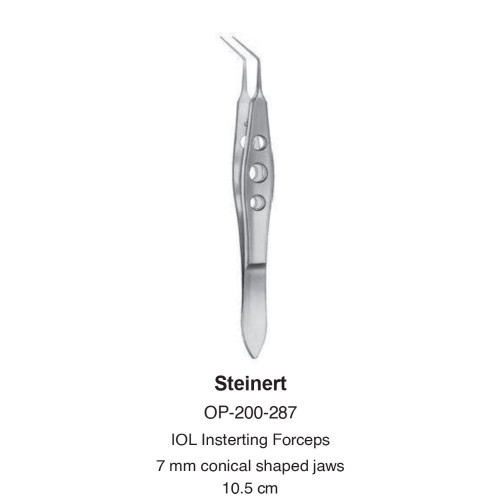
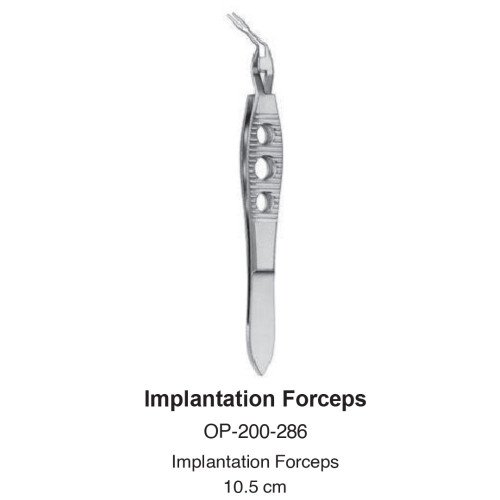
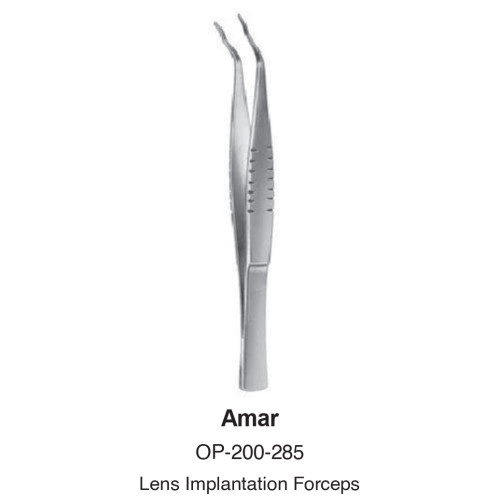
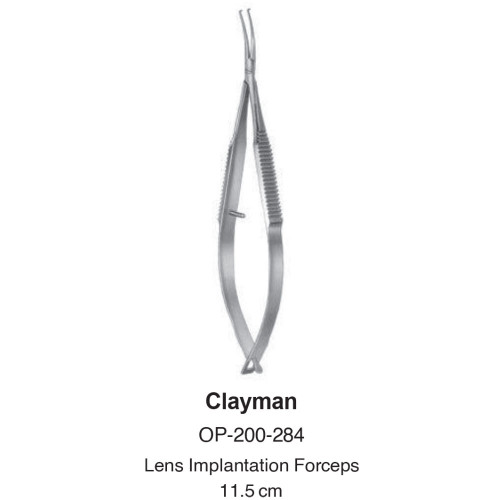
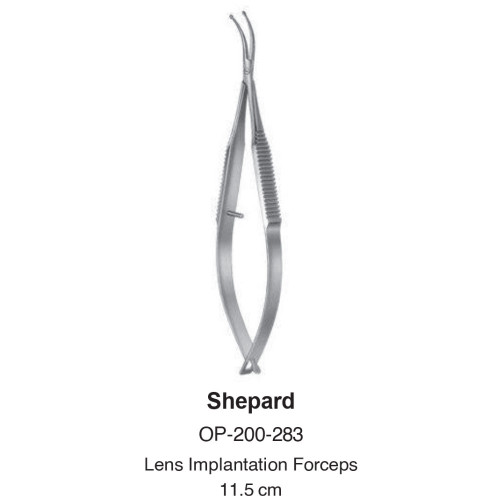
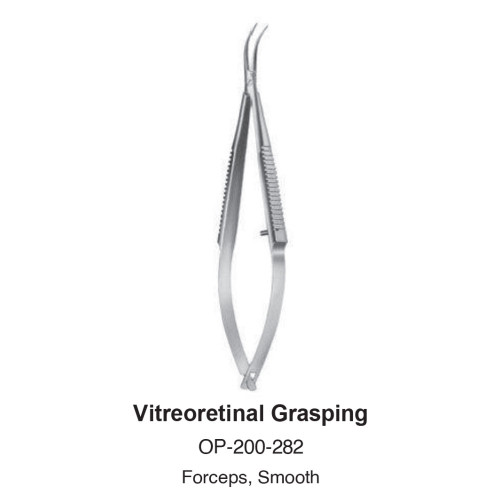
Stone Instruments offers a range of precision lens forceps designed for ophthalmic surgical applications requiring controlled handling of the lens, intraocular lenses (IOLs), and delicate ocular structures. Our ophthalmic lens forceps range includes Steinert, implantation, Amar, Clayman, Shepard, and vitreoretinal grasping forceps in different configurations and sizes to support the requirements of eye-care professionals and surgical instrument distributors.
Designed for controlled manipulation and precise handling, lens forceps are important instruments in ophthalmic surgery. The appropriate forceps design depends on the intended procedure, lens or IOL type, access requirements, jaw configuration, and the level of delicacy required during tissue or implant manipulation.
Ophthalmic Lens Forceps for Precision Surgical Applications
Ophthalmic lens forceps are specialized surgical instruments used for controlled grasping, manipulation, positioning, or handling of lenses and intraocular lenses during eye procedures. Different designs incorporate specific jaw shapes, shaft configurations, tip profiles, and overall lengths to provide the control required for particular ophthalmic applications.
In cataract and lens-related surgery, specialized forceps may be used for handling an intraocular lens or manipulating delicate structures during the procedure. Certain forceps designs are also intended for vitreoretinal applications where controlled grasping is required.
Because ophthalmic procedures involve delicate anatomical structures, instrument design and precision are important considerations when selecting lens forceps. The correct instrument should be selected according to the surgical technique, intended application, and manufacturer's specifications.
Our Lens Forceps Range
Stone Instruments provides several lens forceps models for ophthalmic applications, allowing distributors, healthcare organizations, and surgical professionals to select instruments according to their procedural requirements.
Steinert Lens Forceps
The Steinert Lens Forceps is available under article number OP-200-287 with a listed length of 10.5 cm. It forms part of Stone Instruments' ophthalmic lens forceps range and is designed for controlled handling in suitable ophthalmic applications.
Lens Implantation Forceps
The Lens Implantation Forceps, article number OP-200-286, has a listed length of 10.5 cm. Implantation forceps are designed for applications involving controlled handling and positioning of an intraocular lens during ophthalmic procedures.
Amar Lens Implantation Forceps
The Amar Lens Implantation Forceps, article number OP-200-285, is another option within Stone Instruments' lens implantation range. Its dedicated design makes it suitable for applications where controlled IOL handling is required.
Clayman Lens Forceps
The Clayman Lens Forceps, article number OP-200-284, has a listed length of 11.5 cm. Its configuration provides another option for ophthalmic professionals and instrument distributors seeking specialized lens-handling instruments.
Shepard Lens Forceps
The Shepard Lens Forceps, article number OP-200-283, has a listed length of 11.5 cm. Shepard-style lens forceps are recognized within ophthalmic instrument ranges for controlled lens and IOL handling applications.
Vitreoretinal Grasping Forceps
The Vitreoretinal Grasping Forceps, article number OP-200-282, is listed with a smooth configuration. Vitreoretinal grasping instruments are intended for delicate manipulation in vitreoretinal surgical applications where controlled grasping is required.
Applications of Lens Forceps
The exact application of a lens forceps depends on its design and intended use. Common ophthalmic applications associated with specialized lens forceps include:
-
Intraocular lens handling
-
Lens implantation procedures
-
Cataract surgery instrumentation
-
Anterior segment procedures
-
IOL positioning and manipulation
-
Delicate lens-related surgical procedures
-
Vitreoretinal grasping applications with appropriate instrument designs
Specialized ophthalmic forceps should always be selected according to the surgical technique, instrument specifications, and intended clinical application.
Key Features to Consider When Choosing Lens Forceps
Selecting the appropriate ophthalmic lens forceps requires consideration of several design characteristics. The jaw or tip configuration determines how the instrument interacts with the lens, IOL, or other delicate structures. Shaft geometry and overall length can influence access and instrument control during surgery.
Other important considerations include:
-
Tip and jaw design: Select a configuration appropriate for the intended application and type of manipulation.
-
Instrument length: Different procedures and surgical approaches may require different instrument lengths.
-
Shaft configuration: Straight, angled, or curved designs can provide different levels of access and control.
-
Surface characteristics: Smooth or specialized jaw surfaces may be selected according to the material or structure being handled.
-
Ergonomics and handling: Controlled finger positioning and comfortable handling are important for precise ophthalmic instrumentation.
-
Manufacturing quality: Consistent dimensions, finishing, alignment, and material quality are important characteristics of professional surgical instruments.
Precision Ophthalmic Instruments from Stone Instruments
Stone Instruments Co. manufactures standard and customized medical-device instruments and serves the surgical instrument market from Sialkot, Pakistan. The company states that it manufactures instruments using medical-grade materials and imported stainless steel sourced from the USA, Germany, France, and Japan. Stone also states that its quality management system includes ISO 13485 and ISO 9001 certification and that it follows FDA current good manufacturing practices.
For buyers requiring ophthalmic instruments for distribution, healthcare facilities, or surgical applications, Stone Instruments provides a range of ophthalmic products alongside general surgery, ENT, and neurosurgery instruments.
The company also states that it supports standard and customized instrument manufacturing, making it possible to discuss specific requirements where a standard configuration does not meet a customer's needs.
Choose the Right Lens Forceps for Your Application
Whether you are sourcing lens implantation forceps, ophthalmic lens forceps, IOL forceps, or vitreoretinal grasping instruments, choosing the correct design is essential for the intended surgical application. Review the specifications of each model, including article number, instrument length, tip or jaw configuration, and intended use, before placing an order.
Explore Stone Instruments' lens forceps range to find the appropriate ophthalmic surgical instrument for your requirements. For product specifications, bulk requirements, customized instruments, or distributor inquiries, contact the Stone Instruments team directly.